
Traditional Performing Arts in Japan: Noh and Kyogen, Bunraku, Kabuki, and Rakugo, Where to See Them and How to Get Tickets
Noh, bunraku puppet theater, and kabuki were all inscribed on UNESCO's intangible heritage list in 2008. See noh at the National Noh Theatre, bunraku at the National Bunraku Theatre in Osaka, and kabuki at the Kabuki-za in Ginza, where single-act tickets let you watch one act. The National Theatre in Tokyo has been closed for rebuilding since October 2023. Rakugo plays every day at Tokyo's four regular yose halls, and Shinjuku Suehirotei runs day and evening shows.
ARTICLE MAPReading Map
SERIESTraditional Japanese CultureBelief, performing arts, crafts, and the Ainu and Ryukyuan cultures, each with where to see them today.11 parts
Belief and festivals
Performing arts and sumo
- 03Noh to rakugo
- 04Sumo
- 05Tea ceremony
Crafts and architecture
Diverse Japan
Japan’s classical stage arts are known together as dento geino, traditional performing arts, and the four best known are noh and kyogen, bunraku, kabuki, and rakugo. The first three were inscribed together on UNESCO’s Representative List of the Intangible Cultural Heritage of Humanity in 2008 and still play year-round in dedicated theaters. The sections below go through them from oldest to newest, then cover where to see them and how to get tickets.
Noh and kyogen: masked theater over 600 years old
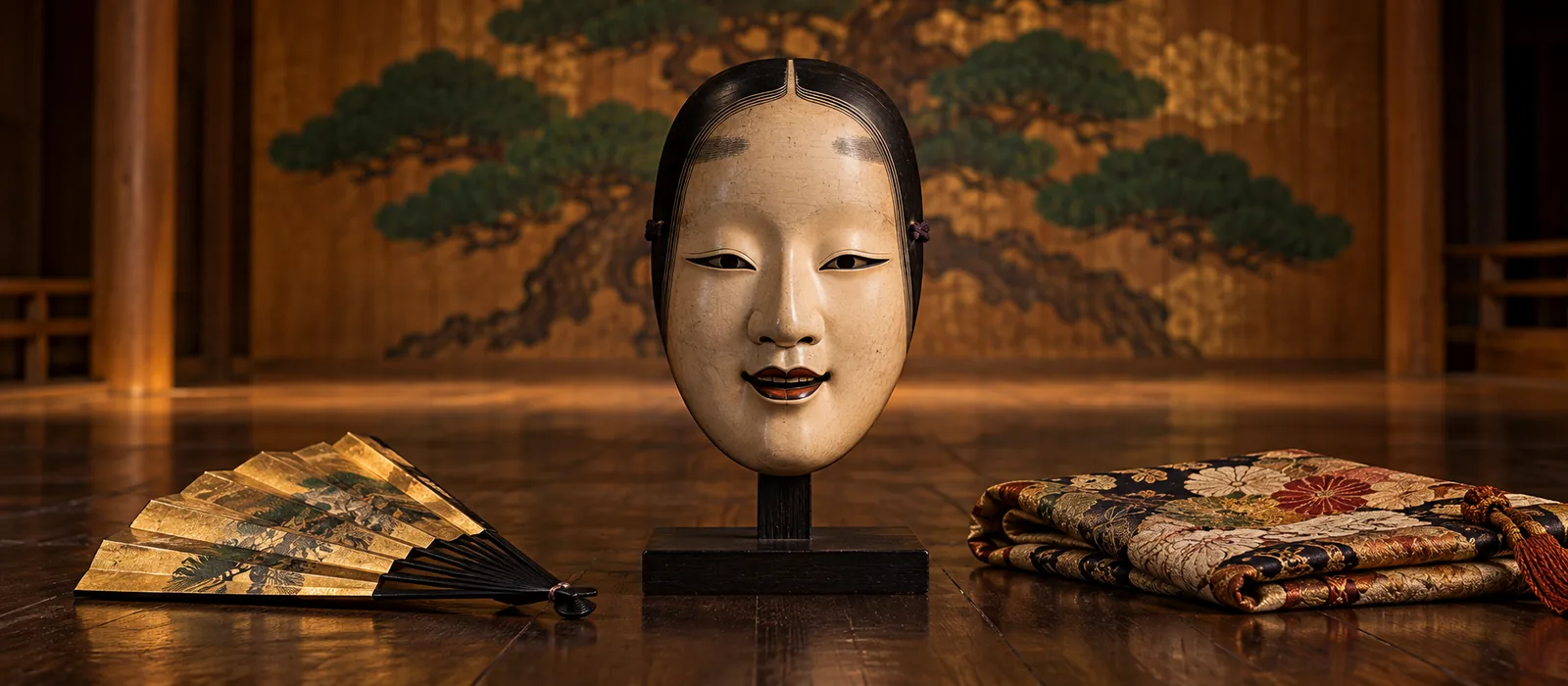
Nogaku is the name for noh and kyogen together. It took shape in the late 14th century under the patronage of the Muromachi shogun Ashikaga Yoshimitsu, through the work of the actors Kan’ami and his son Zeami. Noh is a masked dance drama performed to chanting and an instrumental ensemble, usually about gods, ghosts, and classical tales, at a very slow pace on an almost bare stage. Kyogen is spoken comedy performed between noh plays, about the everyday mishaps of commoners and servants, usually without masks, and is the easiest way in if you understand Japanese.
The noh stage is a square wooden platform about 6 m on each side, with an old pine tree painted on the back wall and a bridgeway, the hashigakari, running off to the left for entrances and exits. The National Noh Theatre in Sendagaya, Tokyo, is the state’s dedicated venue, with regular monthly performances and introductory shows for beginners, and seatback screens offering Japanese or English subtitles.
Sources: National Noh Theatre, Agency for Cultural Affairs: intangible cultural heritage.
Bunraku: three people, one puppet
After noh came bunraku, the puppet theater born in Osaka in the Edo period, in which a chanter (tayu), a shamisen player, and the puppets perform as one. Each main puppet is worked by three people: the omozukai handles the head and right hand, the hidarizukai the left hand, and the ashizukai the feet, the last two dressed and hooded in black.
The best-known playwright is Chikamatsu Monzaemon, whose love-suicide plays such as The Love Suicides at Sonezaki were based on real cases involving Osaka merchants and courtesans. The National Bunraku Theatre in Nipponbashi, Osaka, is bunraku’s home, with several main runs a year, about a minute’s walk from Nippombashi subway station.
Source: National Bunraku Theatre.
Kabuki: entertainment for Edo’s townspeople
While bunraku flourished, kabuki grew in Edo and the Kyoto-Osaka region. It is usually traced to the kabuki dances performed in Kyoto by Izumo no Okuni in the early 17th century. The shogunate later banned women from the stage, which led to today’s all-male form, with men called onnagata playing female roles. Beyond lavish costumes, kabuki is known for the hanamichi walkway through the audience, revolving stages, and dramatic frozen poses called mie, and many plays were adapted from bunraku.
The place to start is the Kabuki-za in Ginza, which has performances most months, with day and evening programs of 3 to 4 hours each. If you want to try just part of a program, single-act seats (hitomakumi) let you buy one act at a time; prices vary by play but are far cheaper than a full program. The National Theatre in Hanzomon has been closed for rebuilding since October 2023. After construction tenders failed twice, the Agency for Cultural Affairs’ revised plan targets reopening around fiscal 2033, and National Theatre productions are being staged at other venues in the meantime.
Sources: Kabuki-za, Agency for Cultural Affairs: rebuilding the National Theatre.
Rakugo: one person, a fan, and a cloth
Rakugo took shape in the late Edo period. The performer kneels on a cushion and, with only a folding fan and a hand towel, plays every character in a story alone, ending on a punchline called the ochi or sage. There are two traditions, Edo (Tokyo) and Kamigata (Osaka) rakugo.
Tokyo has four regular yose halls with rakugo every day: Shinjuku Suehirotei, Suzumoto Engeijo in Ueno, Asakusa Engei Hall, and Ikebukuro Engeijo. Performers take turns, a dozen or more per show, with manzai comedy, magic, and daikagura acrobatics between the rakugo. At Shinjuku Suehirotei, the day show runs from 12:00 to 16:15 and the evening show from 16:45 to 20:30, with a discount for entry after about 18:00 in the evening. Most seats are unreserved, so you can walk in at any time without booking.
Sources: Shinjuku Suehirotei, Suzumoto Engeijo.
Tips for a first visit
The four arts depend on Japanese to very different degrees, so choose by your language level the first time.
If you do not speak Japanese, bunraku and kabuki are the best start: theaters rent audio guides or subtitle devices for a fee, with languages depending on the venue, and both are visually striking. Noh is sung in medieval classical Japanese that most Japanese people cannot follow either, so read the synopsis first and take in the dance and atmosphere. Rakugo is all words, so it pays off once your Japanese is intermediate or better.
Booking platforms also sell theater packages with commentary; how to compare them is in booking cultural experiences.
Common misunderstandings
Last, a few points that are often confused.
The first is thinking noh and kabuki are the same kind of theater. Noh is 14th-century masked dance drama on a bare stage, while kabuki is townspeople’s entertainment from the 17th century with elaborate sets and costumes; their audiences and styles are completely different.
The second is assuming the Kabuki-za sells only full programs. Single-act seats let you watch one act for much less, a good fit for first-timers.
The third is heading to the National Theatre. It is being rebuilt and is expected to reopen around fiscal 2033, so its productions are at other venues; check the venue in the listings.
The fourth is assuming rakugo needs advance booking. Tokyo’s four regular yose halls normally let you buy a ticket and walk in, and only special shows or popular performers need advance tickets.
Useful terms
- Dento geino: traditional performing arts
- Nogaku: noh and kyogen
- Ningyo joruri bunraku: bunraku puppet theater
- Hitomakumi seki: single-act seats
- Yose: variety halls for rakugo