
SERIES
Traditional Japanese Culture
Belief, performing arts, crafts, and the Ainu and Ryukyuan cultures, each with where to see them today.11 articles · updated 2026-11-1001Belief and festivals
Culture
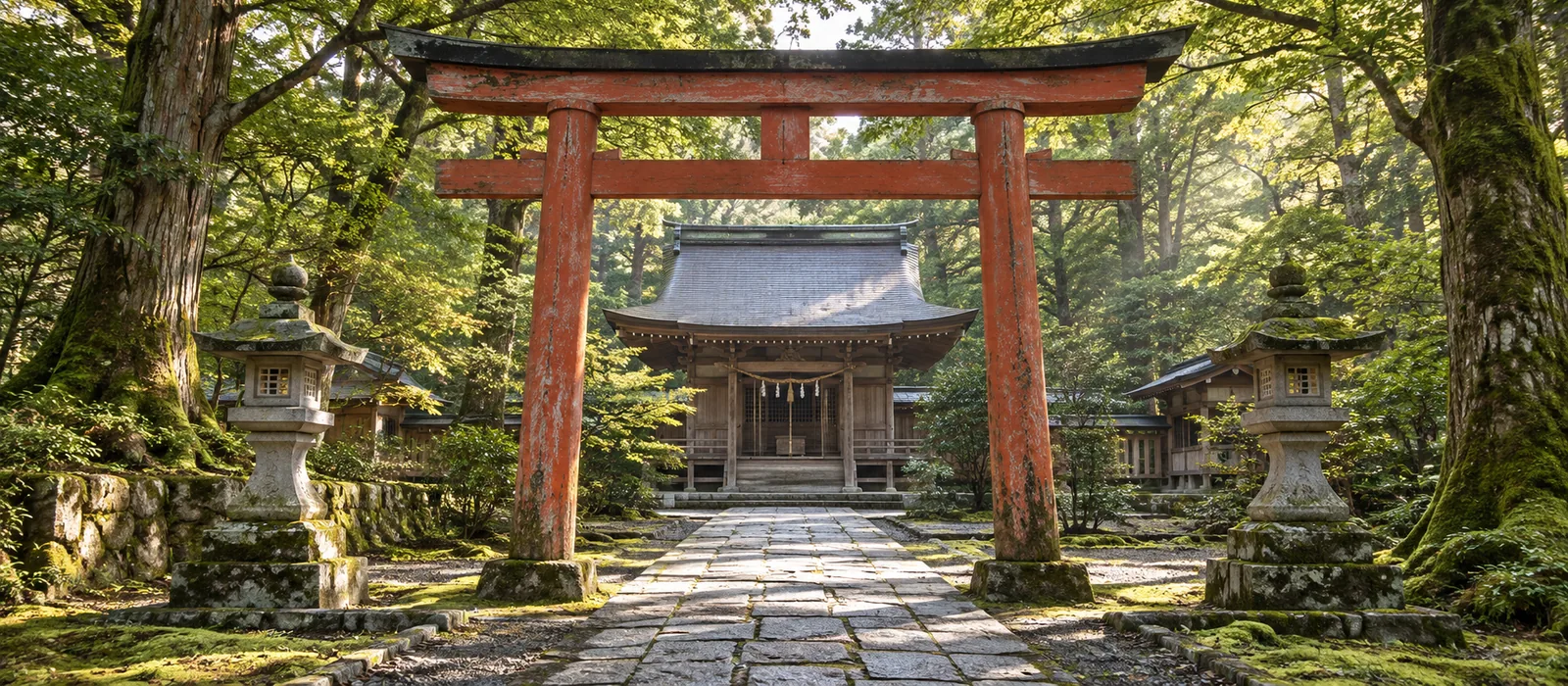
Shrines and temples: deities, Buddhas, worship steps, and goshuin
Tell shrines from temples by gates, ritual steps, priests, Buddhist halls, two bows two claps one bow, gassho, and goshuin fees.

Culture
Japan annual events: a 12-month festival calendar
Follow New Year, Setsubun, hanami, Golden Week, Tanabata, Obon, autumn leaves, Shichi-Go-San, and year-end customs by month.
02Performing arts and sumo
Culture
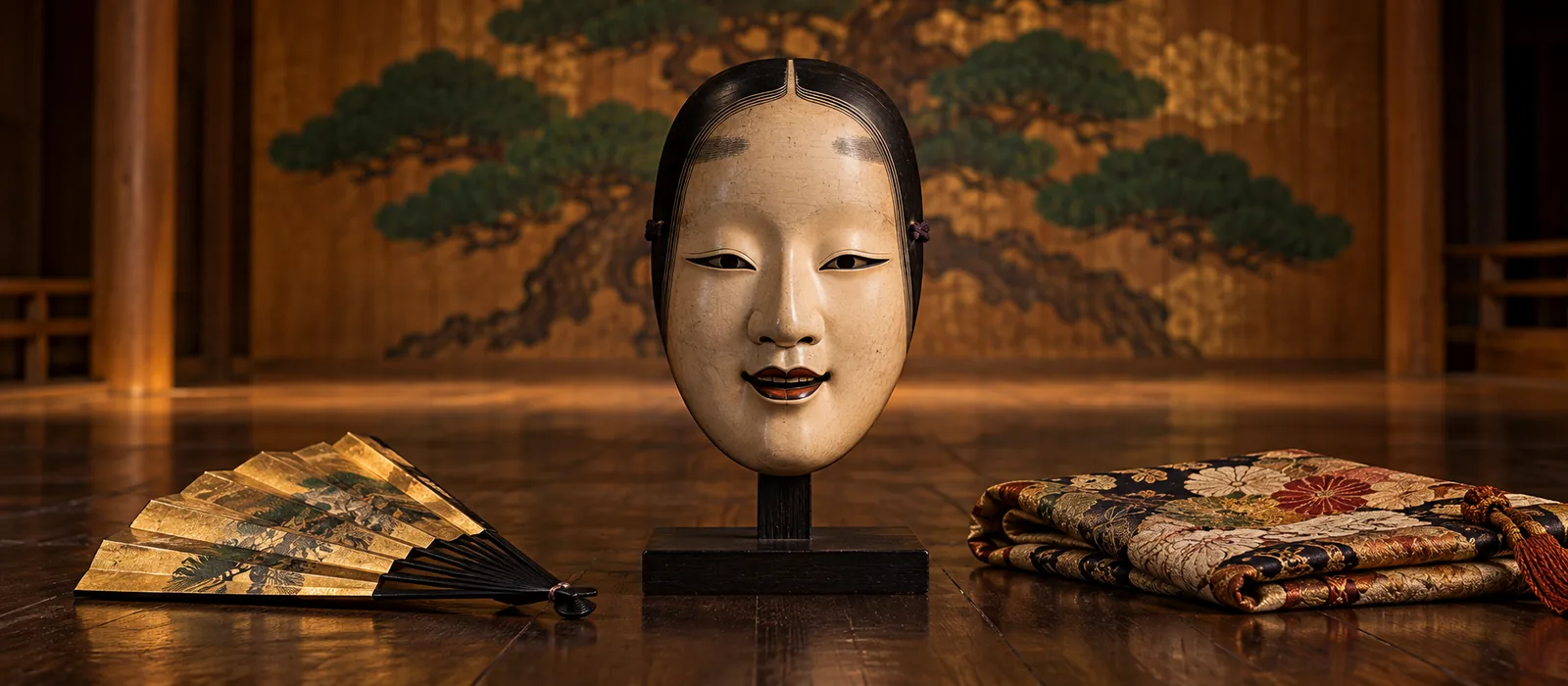
Traditional Performing Arts in Japan: Noh and Kyogen, Bunraku, Kabuki, and Rakugo, Where to See Them and How to Get Tickets
Noh, bunraku puppet theater, and kabuki were all inscribed on UNESCO's intangible heritage list in 2008. See noh at the National Noh Theatre, bunraku at the National Bunraku Theatre in Osaka, and kabuki at the Kabuki-za in Ginza, where single-act tickets let you watch one act. The National Theatre in Tokyo has been closed for rebuilding since October 2023. Rakugo plays every day at Tokyo's four regular yose halls, and Shinjuku Suehirotei runs day and evening shows.
Culture
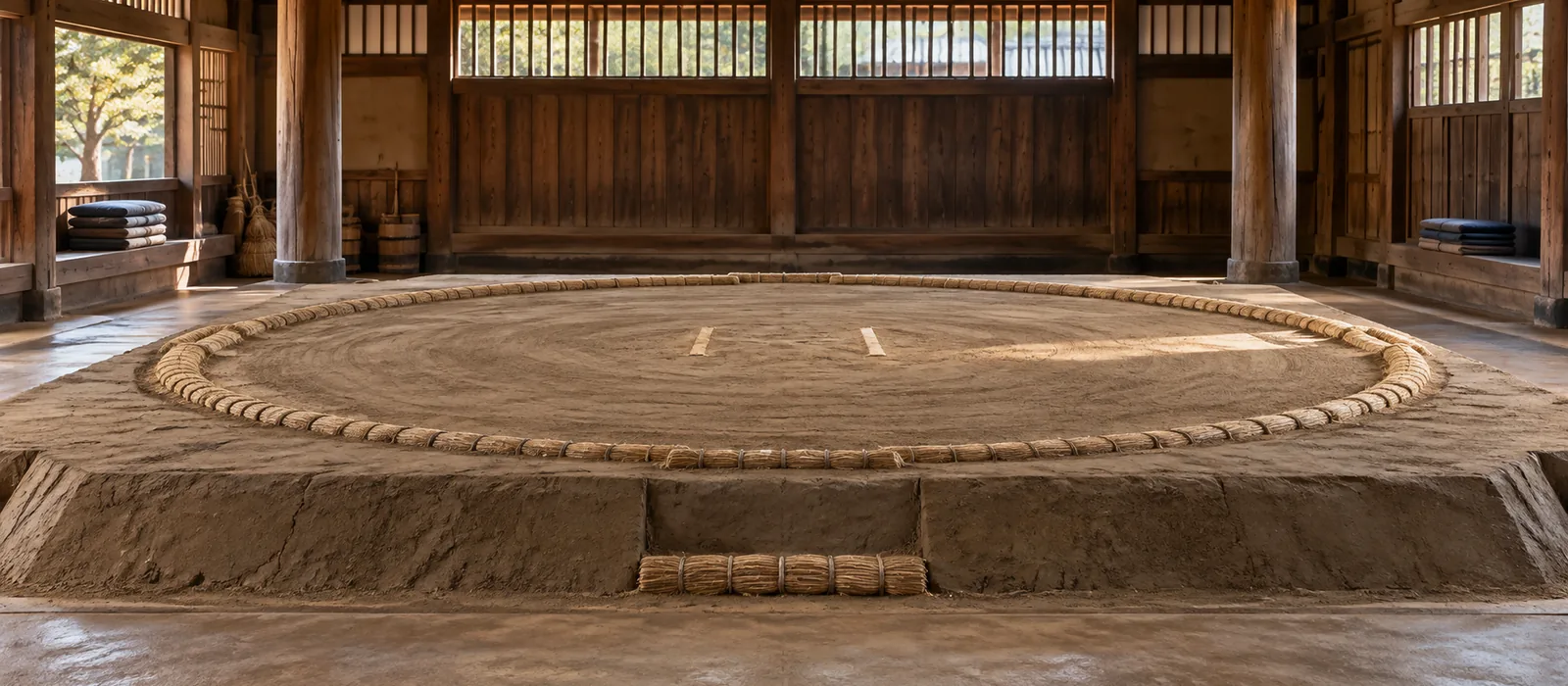
Grand Sumo: Six Tournaments a Year, the Banzuke and Yokozuna, How to Buy Tickets, and Where to Watch
Professional sumo holds six 15-day tournaments a year: January, May, and September at the Ryogoku Kokugikan in Tokyo, March in Osaka, July in Nagoya, and November in Fukuoka. The banzuke ranking has six divisions from jonokuchi to makuuchi, and the top-division bouts late in the afternoon are the highlight. Tickets are sold through the Japan Sumo Association's official Ticket Oosumo site in ringside, box, and chair seats, and some stables let visitors watch morning practice between tournaments.
Culture
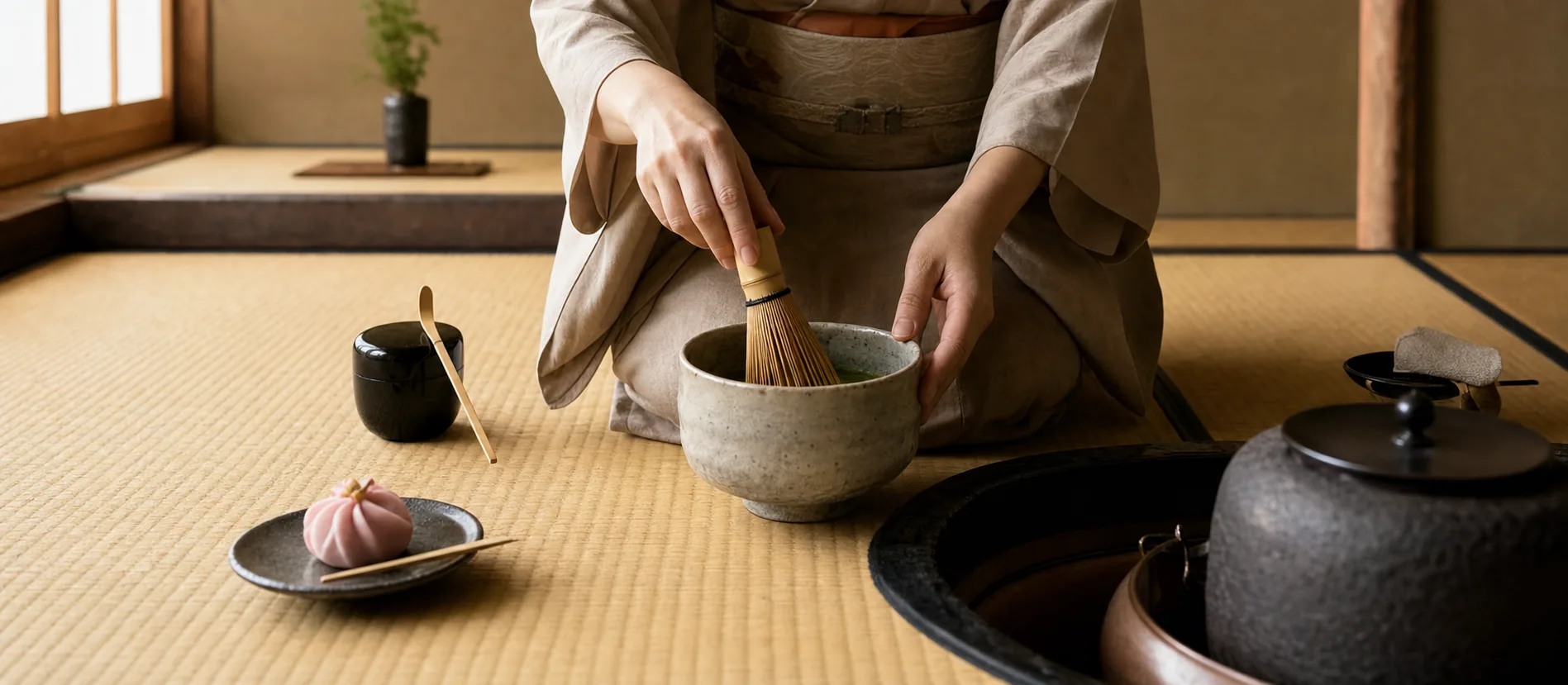
Tea Ceremony and Everyday Aesthetics: Room, Season, Utensils, and Host-Guest Attention
Understand tea through rooms, gardens, utensils, seasonality, hospitality, and the labor behind Japanese aesthetics.
03Crafts and architecture
Culture
Traditional crafts in Japan: 244 items, production areas, prices, and care
Understand METI-designated traditional crafts through the 1974 law, the 244-item system, production-area marks, prices, buying channels, and maintenance.

Culture
Washi: kozo, mitsumata, gampi, UNESCO, and modern use
Read washi through its 3 plant fibers, hand-sheet process, UNESCO-listed production areas including the 2025 Echizen Torinoko extension, conservation use, architecture, and tourist workshops.

Culture
Japanese Swords: Gokaden, Smith Lineages, Living Masters, and Viewing
Period divisions from koto to gendaito, smith lineages, the appraisal hierarchy, the five regional traditions, and where to see the named blades.
Culture
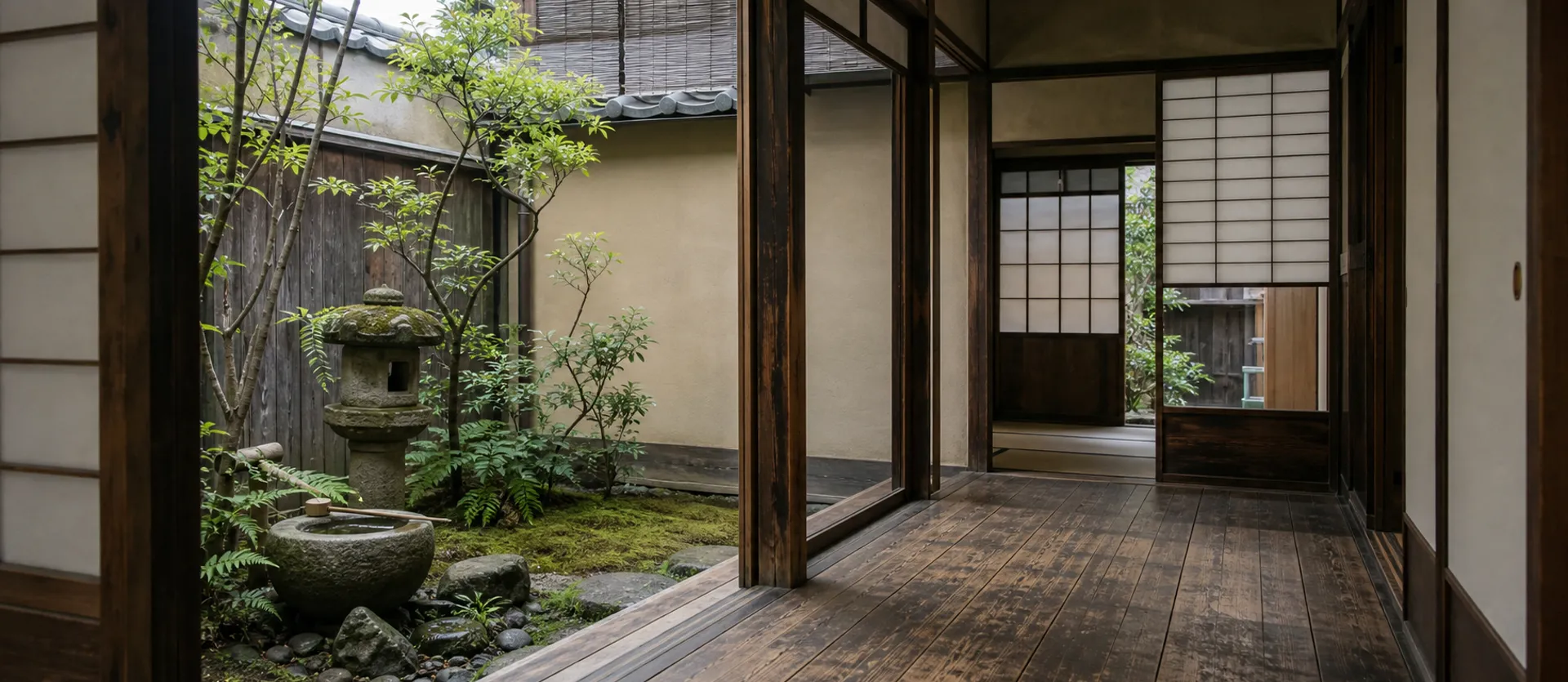
Japanese traditional architecture: wood, roofs, machiya, gardens, and castles
Understand Horyu-ji, joinery, tiled and thatched roofs, temples, shrines, machiya, dry gardens, strolling gardens, and the 12 original castle keeps.
04Diverse Japan
Culture
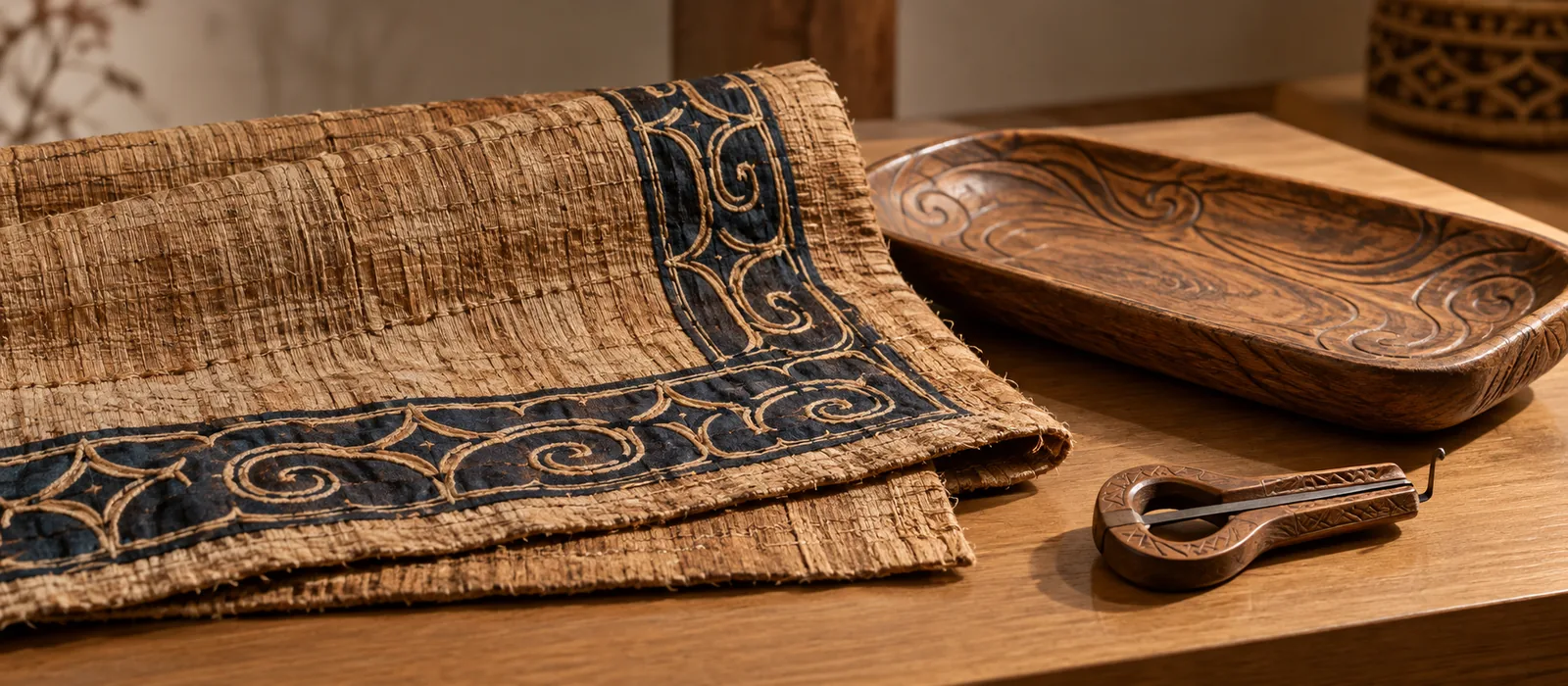
Ainu Culture: Hokkaido's Indigenous People, Their Language, Beliefs, and Crafts, and Upopoy in Shiraoi
The Ainu are an Indigenous people centered on Hokkaido, with their own language, beliefs, and crafts. The Ainu Promotion Act, in force since 2019, was the first law to name the Ainu as an Indigenous people, and Upopoy, home to the National Ainu Museum, opened in Shiraoi in 2020; adult admission is JPY 1,200. Traditional Ainu dance was added to UNESCO's intangible heritage list in 2009, and many Hokkaido place names come from the Ainu language.
Culture
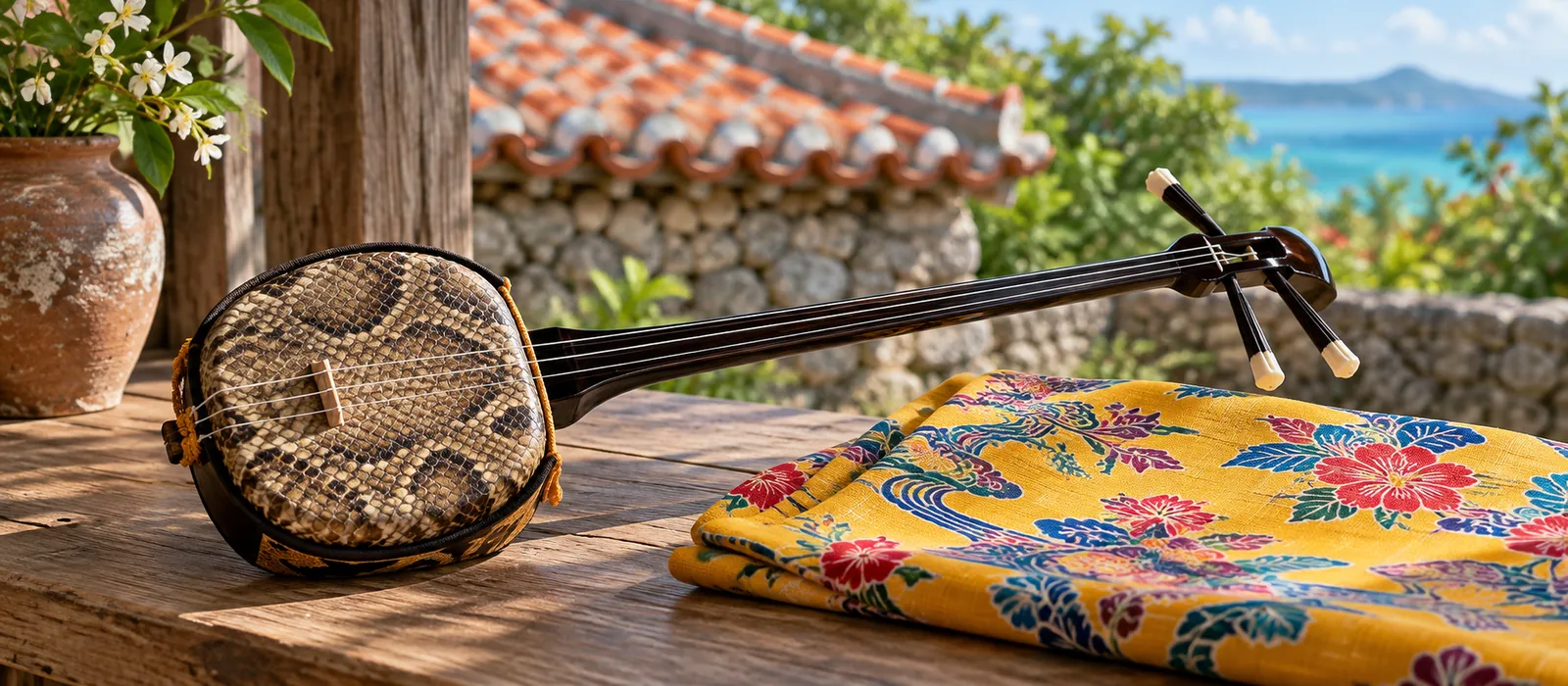
Ryukyu and Okinawan Culture: 450 Years of the Ryukyu Kingdom, Shuri Castle, Kumiodori, Sanshin, and Bingata
Sho Hashi unified the Ryukyus in 1429, and the kingdom grew rich on entrepot trade centered on Shuri Castle. Satsuma invaded in 1609, and in 1879 the kingdom was annexed as Okinawa Prefecture. Shuri Castle's main hall, burned in 2019, opens to the public from November 23, 2026, when adult admission rises to JPY 1,000 and the hall requires booking. Kumiodori was added to UNESCO's intangible heritage list in 2010, and the sanshin, bingata dyeing, awamori, and eisa dancing are still part of everyday Okinawa.
SERIES
More series

Japan Summer Travel
Heat, sun, heatstroke, medical care, transport, and routes rebuilt around temperature.
13 articles →
Disasters and Typhoons
Alerts, when to evacuate, preparing your home for typhoons, insurance, and calling for help.
5 articles →
Japanese History
From the eras overview to single events, each tied to places you can still visit.
8 articles →
Japanese Lives
From the faces on banknotes to figures tied to China: their stories, and where to find them today.
2 articles →