
CITY KNOWLEDGE MAP
TOKYO
Japan’s largest metro area, best read through transit, district contrast, commerce, and living cost.17 related articlesCITY GUIDES
Tokyo Guides

Cities
Inside the Yamanote Line: Marunouchi / Hongo / Ueno / Akasaka: Where to Live
The Yamanote loop covers 11 km × 7 km, but rent and life inside it splits 4 ways: Marunouchi/Otemachi (finance/govt) ¥200,000+, Hongo/Yotsuya (universities/hospitals) ¥130,000-180,000, Ueno/Asakusabashi (shitamachi) ¥110,000-150,000, Akasaka/Roppongi (embassies/IT) ¥180,000-280,000.
Cities
Tokyo Commute: Through-Service / Congestion / Limited Express / Last Train — The Real Numbers
Tokyo commute decisions aren't about map distance. Congestion (150-199%), express vs local stops, accident propagation through through-service lines, ¥400-1,020 reserved seats to escape crowds, last train 0:00-0:30. Real differences: Chuo Rapid 184%, Tozai 199%, Den-en-toshi 184%.
Cities
Tokyo Culture Spots: Museums / Used Books / Independent Shops / Theaters
Ueno's national-museum cluster ¥1,000-2,500, Roppongi's Mori Art Museum ¥2,000-2,200, Jimbocho's used-book street, Kiyosumi-Shirakawa's coffee circle, Kichijoji's theaters. Opening days, exhibition cycles, morning vs afternoon crowds, exhibits that require reservations, plus the kabuki entry-tier seat ¥1,000-2,500.

Cities
East Tokyo: Asakusa / Kuramae / Kiyosumi-Shirakawa / Kinshicho: How to Live
Seven East Tokyo districts on the east bank of the Sumida River: 1LDK ¥110,000-160,000, Tozai Line congestion 199%, coffee and workshop density, nighttime quiet ratings, and where flood-risk maps say to avoid.
Cities
West Tokyo Living: Chuo / Keio / Odakyu / Seibu / Tokyu: Which Line to Pick
West Tokyo is not one area but 5 radiating lines. JR Chuo (Nakano-Kichijoji), Keio (Shimokitazawa-Chofu), Odakyu (Shimokitazawa-Noborito), Seibu (Nerima-Shakujii-Koen), Tokyu (Sangenjaya-Jiyugaoka). Congestion rates, express-stop stations, 1LDK prices, and shopping-street density differ by line.

Cities
Tokyo in Summer: Early Shrines, Underground Days, Waterfront Evenings
August normals of 31.3C and 74 percent humidity, a record 261 heatstroke ambulance calls on 21 July. Free mornings, the underground network, Sumida Aquarium at ¥2,700, Skytree from ¥3,000, and day trips to the coast.
Cities
Tokyo Rental Process: Guarantor Company / Important Matters / Key & Deposit / Ward Office
Securing your first apartment in Tokyo: guarantor company ¥50,000-100,000 initial + 1%/month, key money and deposit each 1-2 months, fire insurance ¥15,000-25,000, agent fee 0.5-1 month, important-matters explanation 18-22 clauses, ward office residency move-in 14-day deadline.

Cities
Tokyo Where to Live in 5 Steps: Budget → Commute → Lifestyle → Disaster → 5 Final Listings
Turn Tokyo housing into 5 decision steps: take-home / 3 = rent cap, 4 most-visited destinations + 30/45/60-minute rings, lifestyle (nightlife / family / single), flood risk, then narrow to 5 specific listings to view. Decide on SUUMO / HOME'S / RECRUIT SUUMO data, not on "which area is good."
Cities
Where to Live in Tokyo: Commute, Rent, Districts, and the Walk Test
Choose a Tokyo neighborhood by working through five axes—Yamanote inside, west, east and shitamachi, bay area, and near-suburbs—against commute, rent, and daily services.
RELATED READING
More on Tokyo
Culture
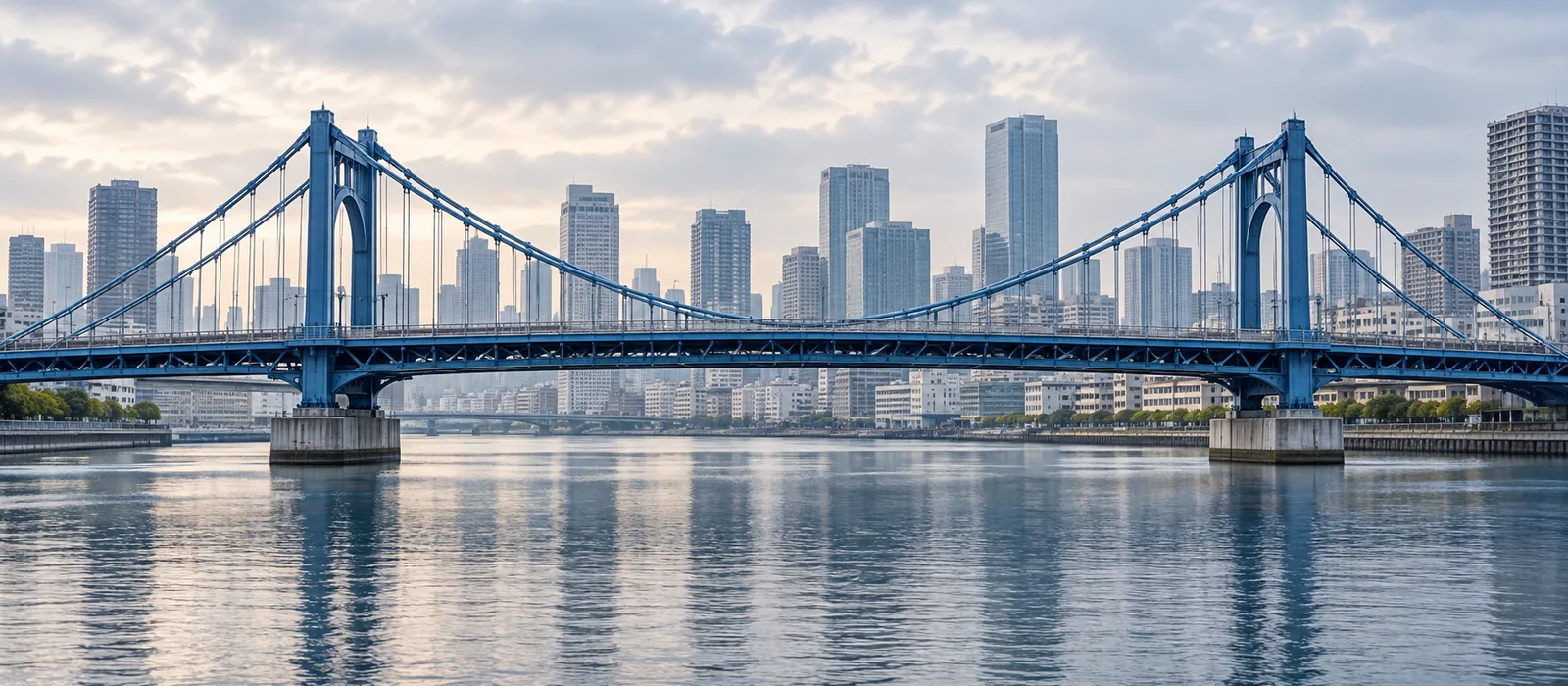
The 1923 Great Kanto Earthquake: Fire, Killings Fueled by Rumor, the Rebuilding of Tokyo, and Yokoamicho Park and the Sumida Bridges Today
At 11:58 on September 1, 1923, a magnitude 7.9 earthquake struck the Kanto region. About 105,000 people died, most in fires, including about 38,000 at the former Army Clothing Depot site in Honjo alone. Rumors after the quake led to the killing of Koreans and Chinese. The reconstruction of the capital produced Showa Street, the Eitai and Kiyosu bridges, new parks and schools, and September 1 became Disaster Prevention Day.
Cities
Japan's 7 City Systems Compared: Tokyo / Osaka / Kyoto / Fukuoka / Sapporo / Nagoya / Kanazawa
Tokyo's 23 wards vs Osaka's 24 vs Sapporo's 10 vs designated cities. Which city processes ward-office paperwork fastest, which has easier hospital appointments, which has the strongest rain-day pedestrian network. A cross-comparison across 5 city systems: stations, administrative divisions, healthcare tiers, shopping-street density, disaster response.
Culture
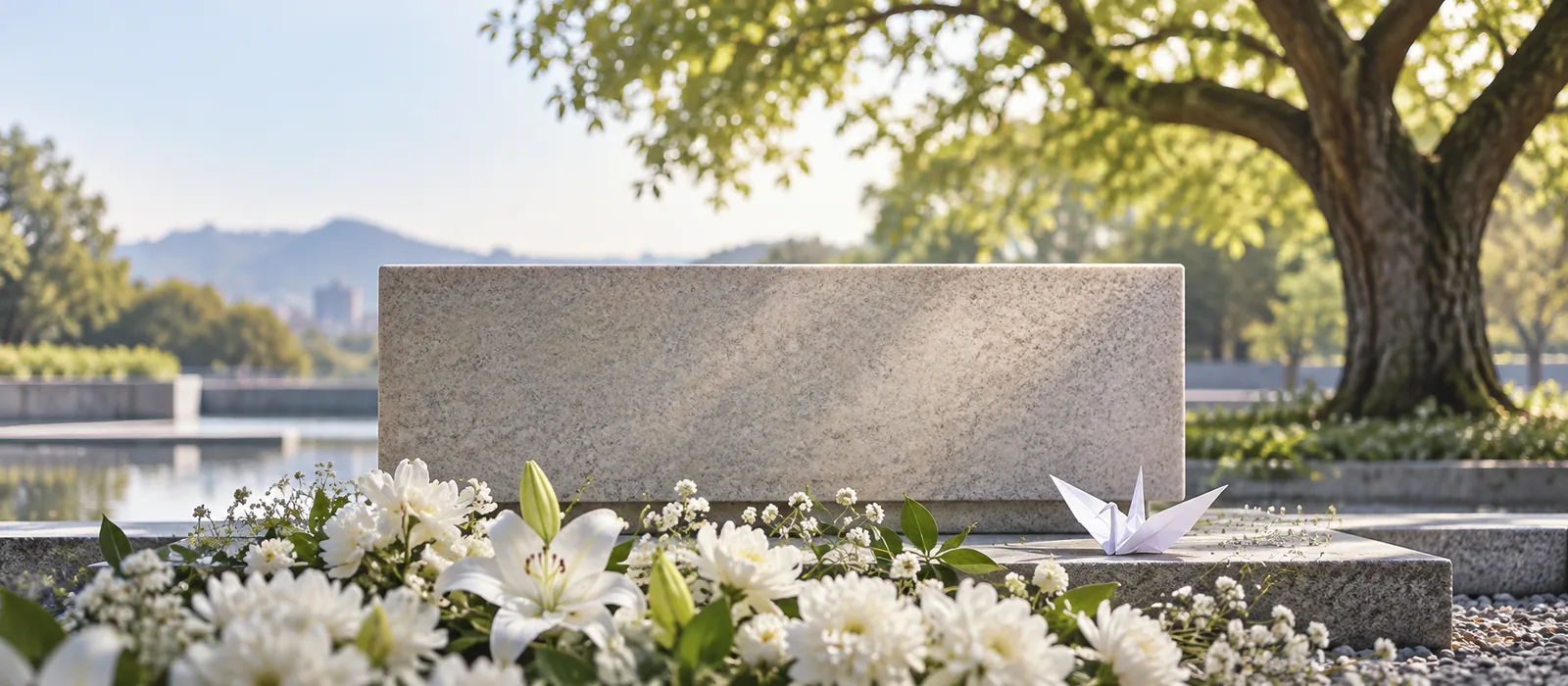
War and Postwar Japan: From the Manchurian Incident and the War in China to the Atomic Bombs, Occupation, a New Constitution, and the 1964 Tokyo Olympics
The Manchurian Incident of 1931 and the Marco Polo Bridge Incident of 1937 led to full-scale war in China, the Pacific War began in 1941, and Japan surrendered in 1945 after the Tokyo air raids, the Battle of Okinawa, and the atomic bombings of Hiroshima and Nagasaki. After the US-led occupation, the 1947 constitution, the restoration of sovereignty in 1952, and both Okinawa's return and normalized relations with China in 1972, the 1964 bullet train and Tokyo Olympics symbolized the high-growth era. The Hiroshima Peace Memorial Museum, the Nagasaki Atomic Bomb Museum, and Okinawa's Peace Memorial Park can all be visited.
Culture
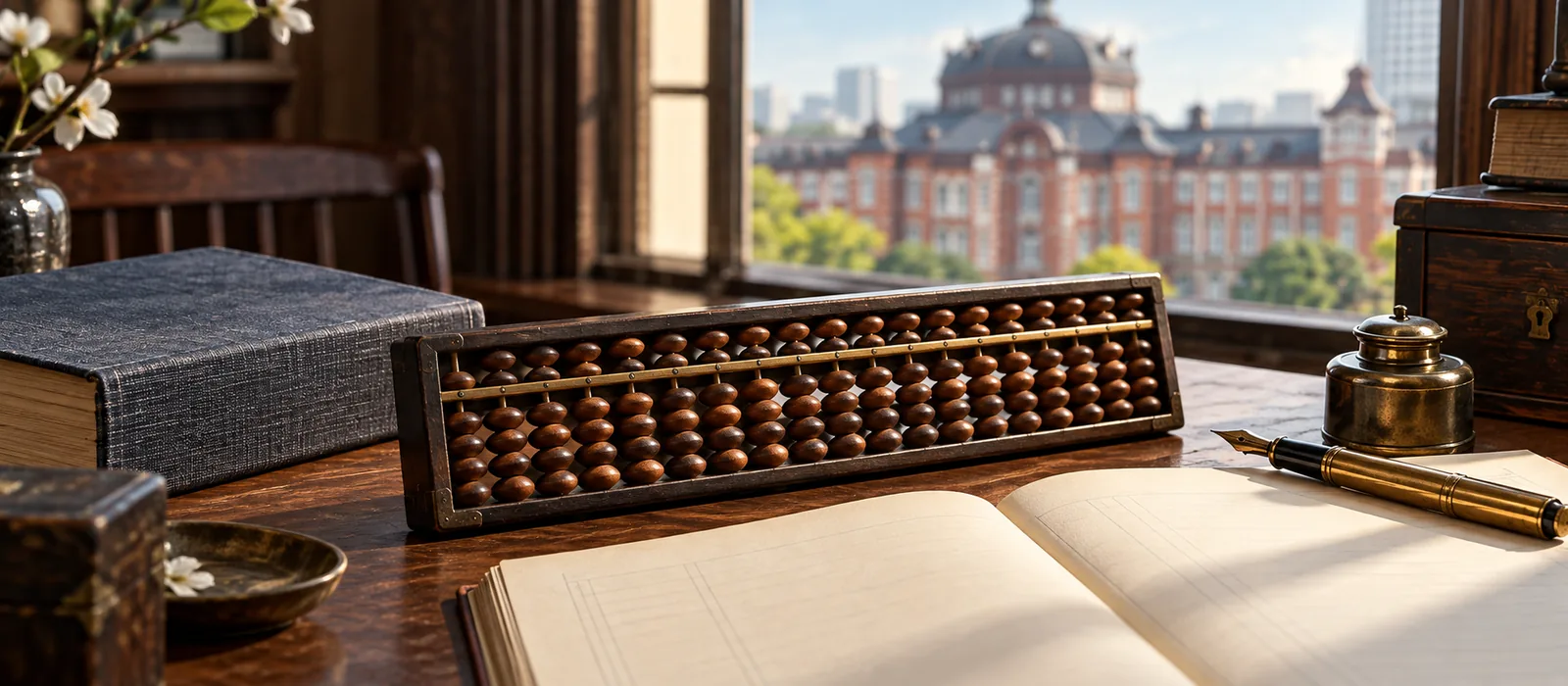
Shibusawa Eiichi: How a Farm Boy Who Nearly Became an Arsonist Ended Up on the 10,000-Yen Note as the Father of Japanese Capitalism
Humiliated by an official at 17, plotting to burn foreign trading houses in Yokohama at 23, cutting off his topknot in Paris at 27, and quitting the Finance Ministry at 33 to open Japan's first bank, Shibusawa Eiichi went on to help launch roughly one company a month, about 500 in his lifetime. He has appeared on banknotes twice: in Korea in 1902 and on Japan's 10,000-yen note in 2024, and the first is still contested. This follows the turning points of his life and explains how to visit the Shibusawa Memorial Museum in Oji (closed November 30, 2026 to February 19, 2027) and his birthplace in Fukaya.
Culture
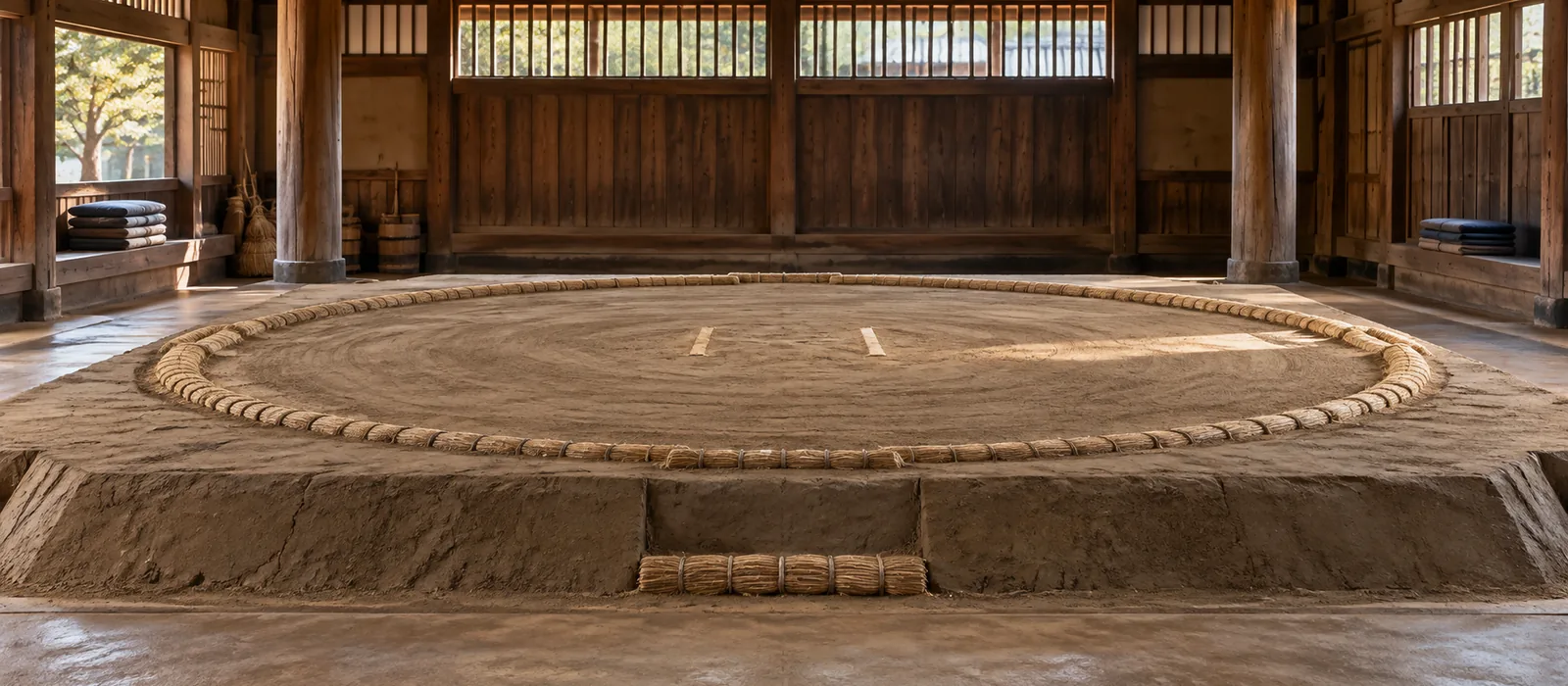
Grand Sumo: Six Tournaments a Year, the Banzuke and Yokozuna, How to Buy Tickets, and Where to Watch
Professional sumo holds six 15-day tournaments a year: January, May, and September at the Ryogoku Kokugikan in Tokyo, March in Osaka, July in Nagoya, and November in Fukuoka. The banzuke ranking has six divisions from jonokuchi to makuuchi, and the top-division bouts late in the afternoon are the highlight. Tickets are sold through the Japan Sumo Association's official Ticket Oosumo site in ringside, box, and chair seats, and some stables let visitors watch morning practice between tournaments.
Culture
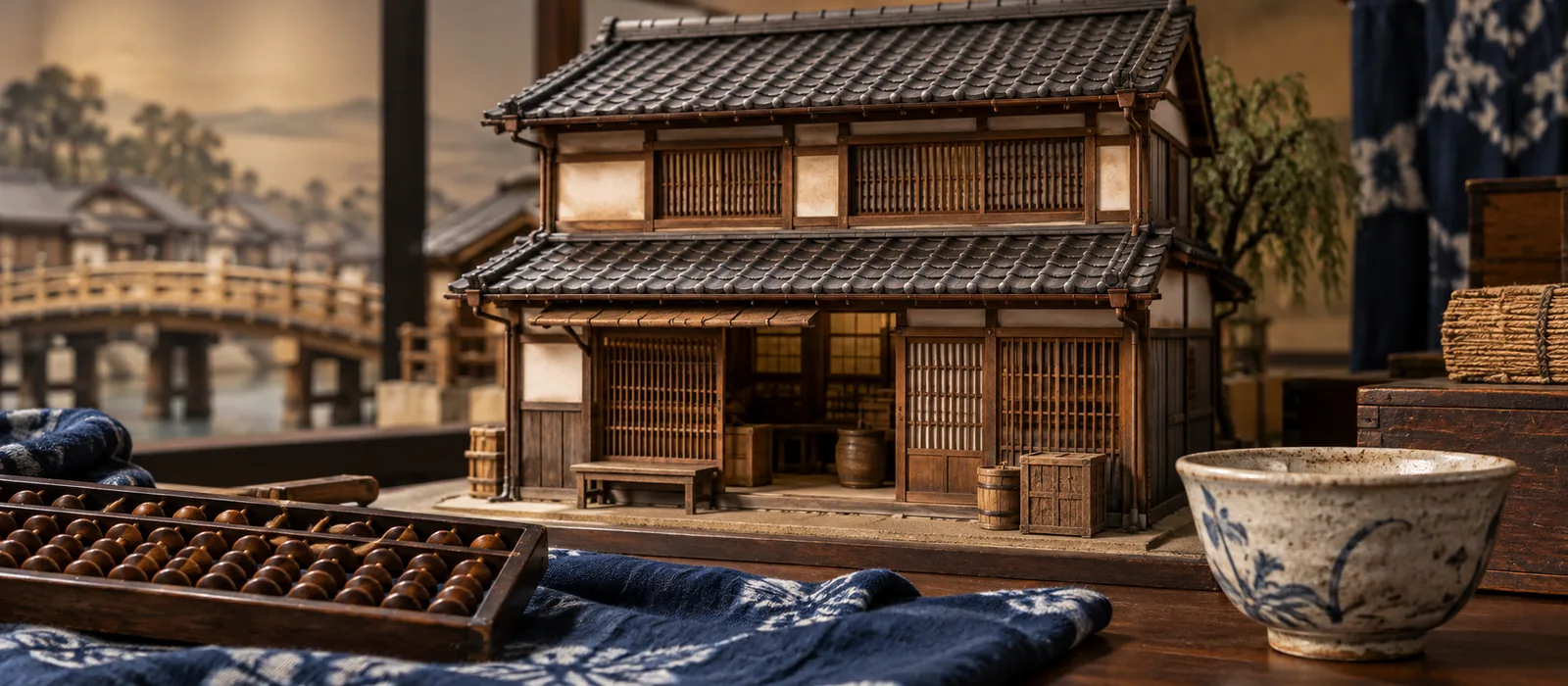
The Edo Period: Alternate Attendance, National Seclusion, a City of a Million, and Nihonbashi, the East Gardens, Fukagawa, and Dejima Today
Tokugawa Ieyasu opened the Edo shogunate in 1603, alternate attendance became compulsory in 1635, Nihonbashi was the starting point of the Five Highways, and Edo's population is estimated to have reached a million by the early 18th century. After the Great Fire of Meireki in 1657 the castle keep was never rebuilt, and during the seclusion years Japan dealt with the outside world through four gateways: Dejima in Nagasaki, Tsushima, Satsuma, and Matsumae. This walks through 260 years of Edo society, up to the eve of the Black Ships in 1853, through places you can visit today.

Guides
Hospitals That Take English Speakers: Tokyo, Kansai, and Beyond
City lists drawn from the national register, with addresses, phone numbers, and supported languages, plus the official search tools and hotlines.

Cities
Shinjuku Station Complete Guide: Many Lines, 200+ Exits, JR-Anchored Transfers
JR / Odakyū / Keiō / Keiō New / Toei Shinjuku / Toei Ōedo / Marunouchi / Seibu Shinjuku / Shinjuku-sanchōme positions, transfer routes, exit choices, *Basuta Shinjuku*, and peak-hour avoidance.
DISTRICTS
District Entrances
ESSENTIALS