
SERIES
Japanese History
From the eras overview to single events, each tied to places you can still visit.8 articles · updated 2026-11-1001Start here

02Classical and medieval
Culture
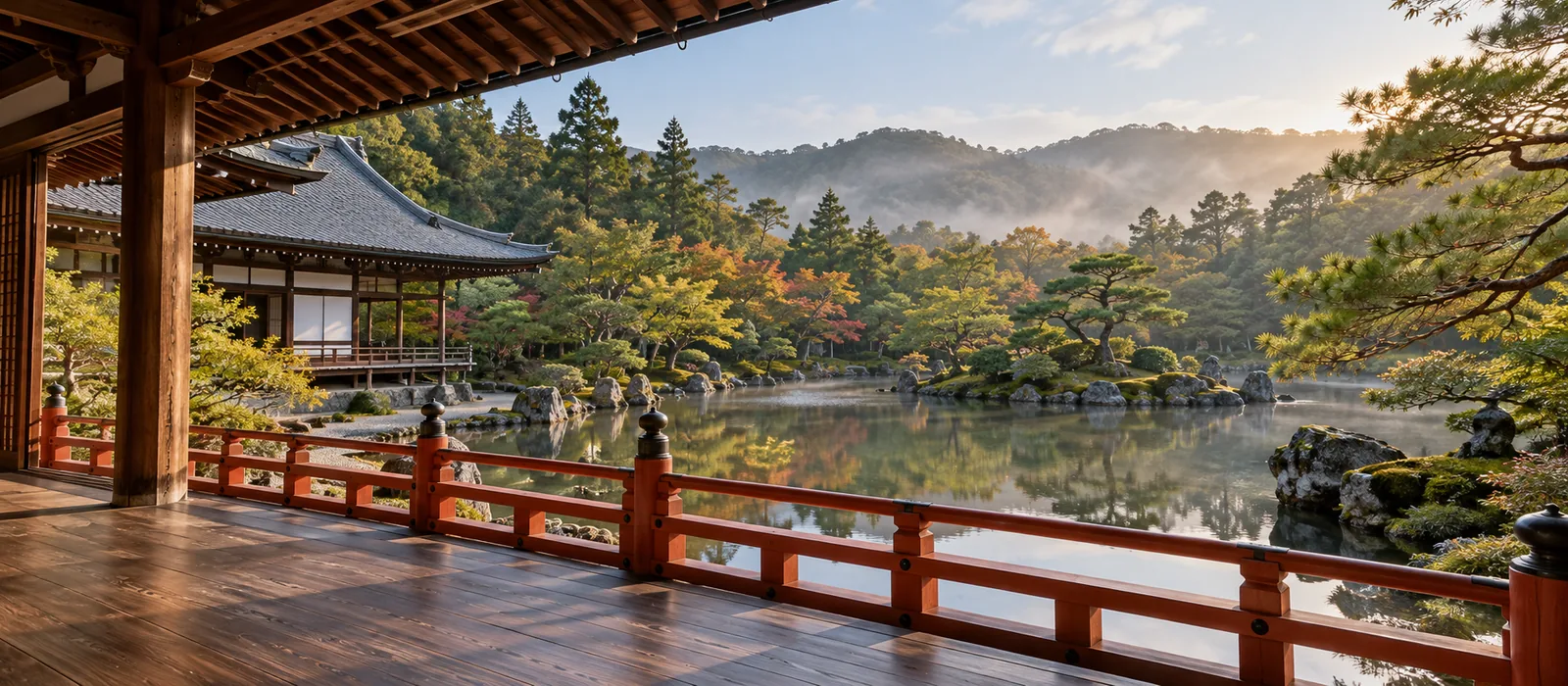
Heian-kyo: The 794 Capital Behind Kyoto's Street Grid, To-ji, the Imperial Palace, and Byodo-in
In 794 Emperor Kanmu moved the capital to Heian-kyo, a grid city about 4.5 km east to west and 5.2 km north to south modeled on Tang-dynasty Chang'an. Kyoto's Shijo and Gojo street names come from that plan, To-ji is the official temple that survives from it, today's Imperial Palace stands on a different site from the Heian palace, and Byodo-in's Phoenix Hall is the building on the 10-yen coin.
Culture
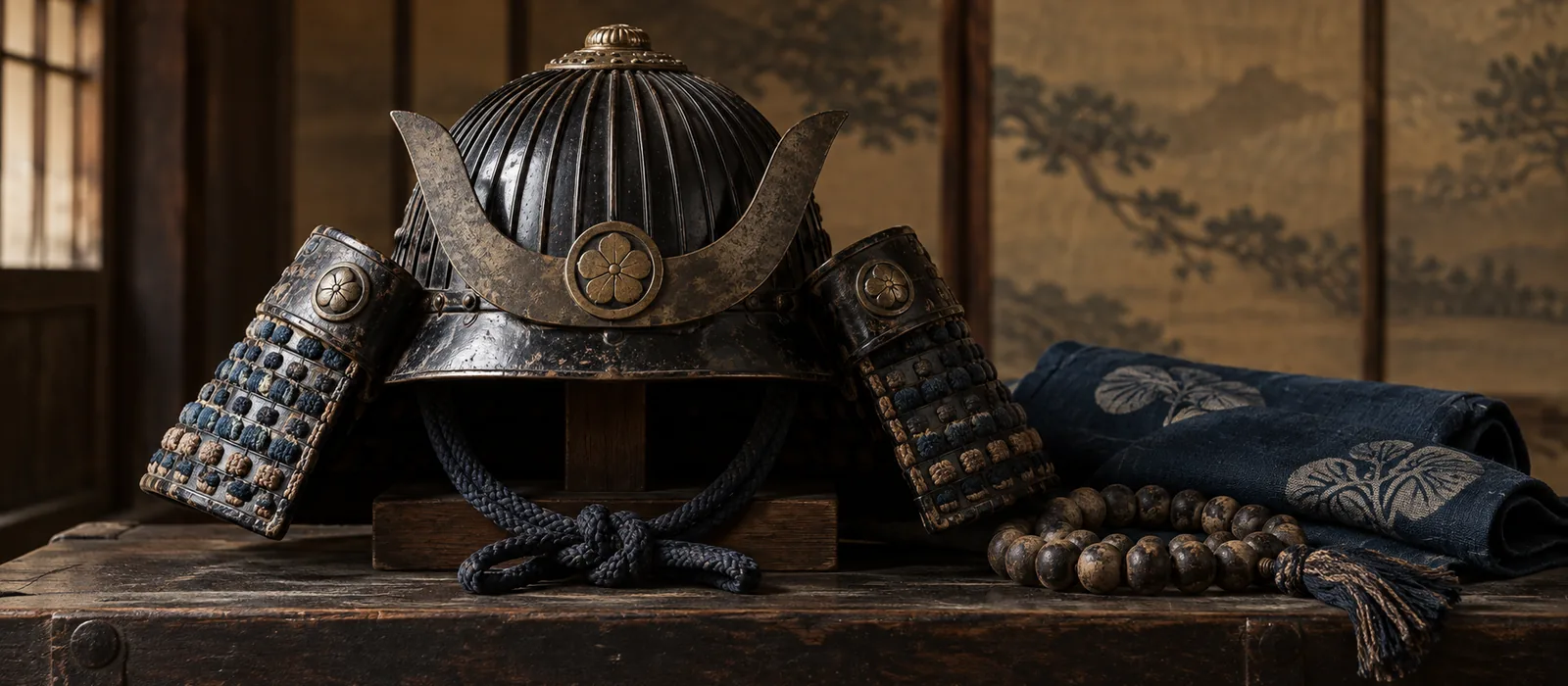
The Kamakura Shogunate: Japan's First Samurai Government, and the Shrine, Great Buddha, and Zen Temples It Left in Kamakura
Minamoto no Yoritomo entered Kamakura in 1180, won the right to appoint military governors and land stewards in 1185, and became shogun in 1192. Under the Hojo regents the shogunate issued the Goseibai Shikimoku, drove off two Mongol invasions, and fell to Nitta Yoshisada in 1333. Tsurugaoka Hachimangu, Wakamiya Oji, Kencho-ji, Engaku-ji, and the Great Buddha in hill-ringed Kamakura all date from these 150 years.
03Sengoku and Edo
Culture
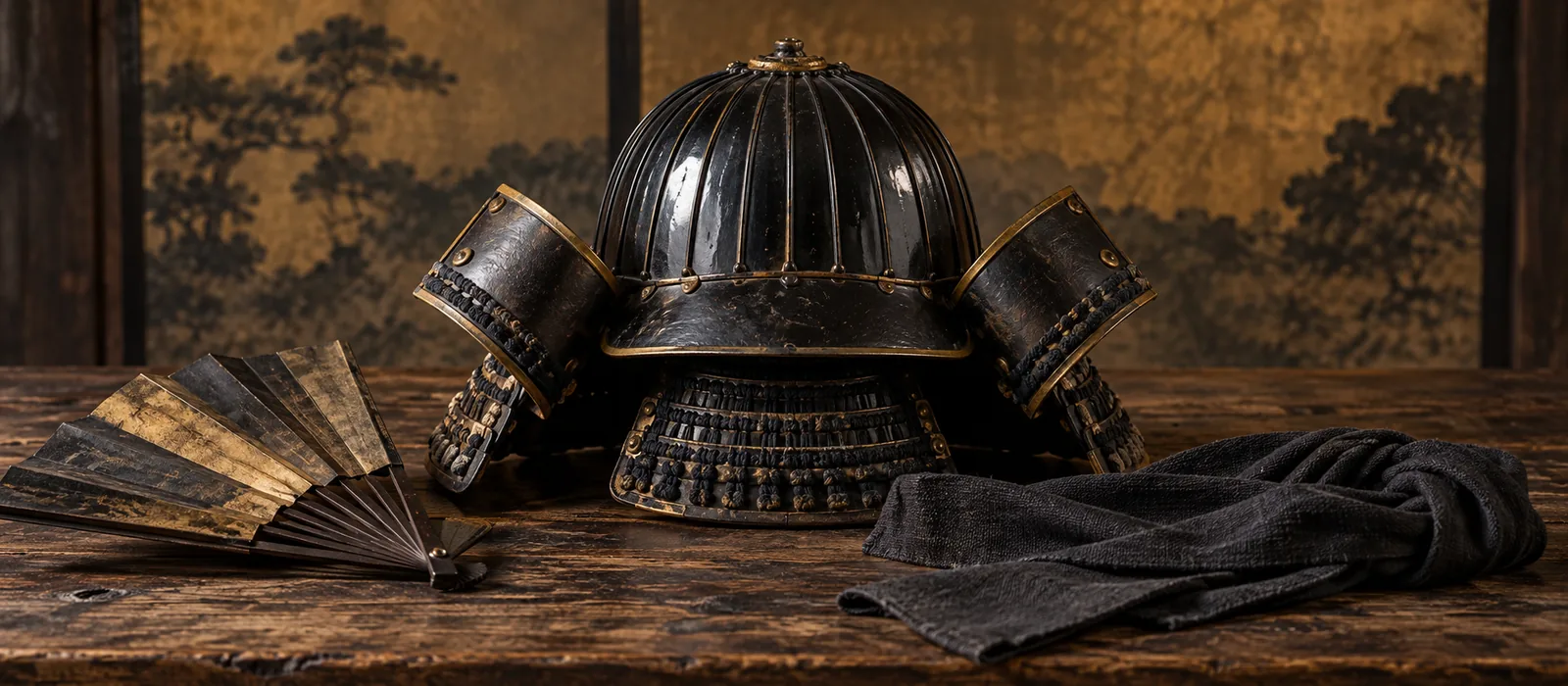
The Sengoku Period and Sekigahara: From the Onin War to the Siege of Osaka, and Himeji Castle, Osaka Castle, and the Sekigahara Battlefield Today
The Onin War of 1467 opened about 150 years of the Warring States period. Firearms arrived in 1543, Oda Nobunaga died at Honno-ji in 1582, Toyotomi Hideyoshi unified Japan in 1590, Sekigahara was decided in a single day in 1600, and the fighting ended with the Summer Siege of Osaka in 1615. Since March 2026 Himeji Castle charges non-resident adults JPY 2,500, Osaka Castle's keep is a 1931 rebuild, and Gifu Prefecture runs a museum at Sekigahara.
Culture
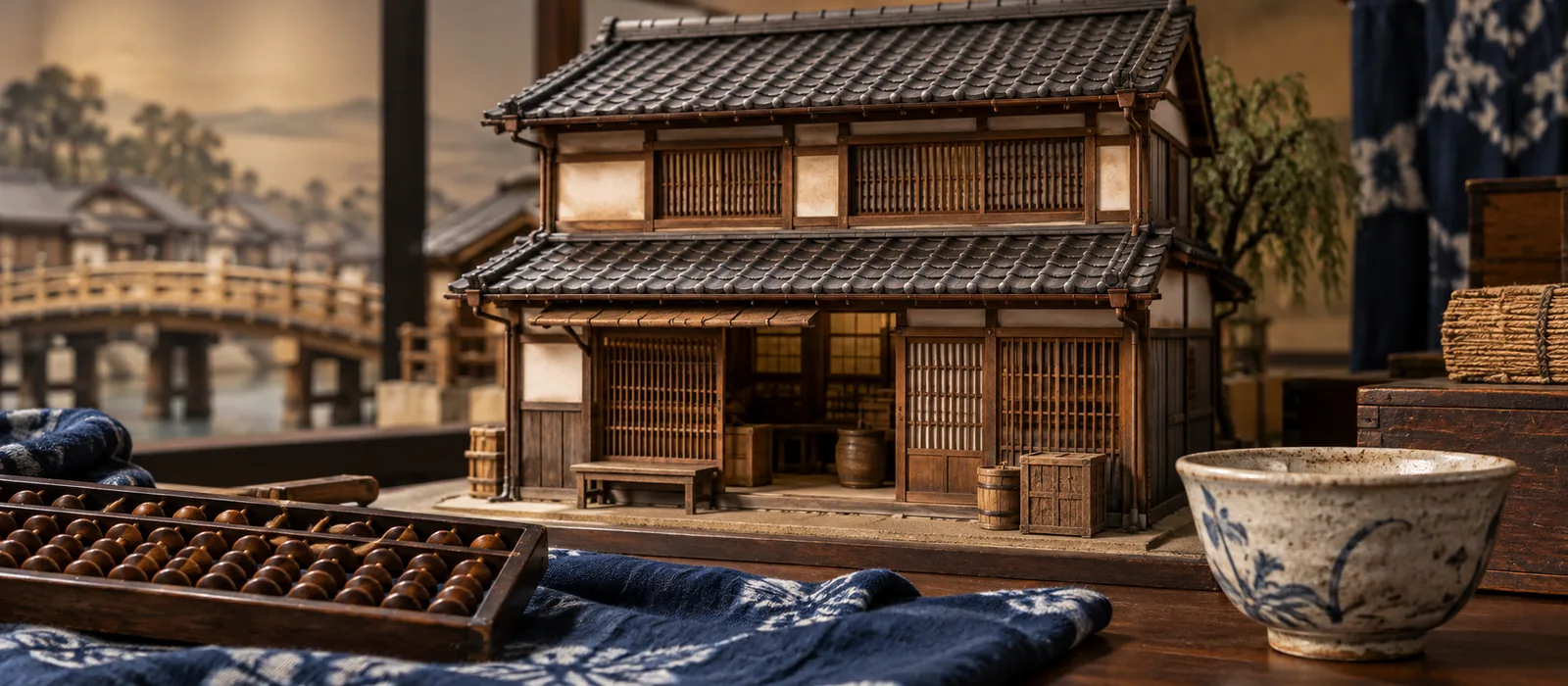
The Edo Period: Alternate Attendance, National Seclusion, a City of a Million, and Nihonbashi, the East Gardens, Fukagawa, and Dejima Today
Tokugawa Ieyasu opened the Edo shogunate in 1603, alternate attendance became compulsory in 1635, Nihonbashi was the starting point of the Five Highways, and Edo's population is estimated to have reached a million by the early 18th century. After the Great Fire of Meireki in 1657 the castle keep was never rebuilt, and during the seclusion years Japan dealt with the outside world through four gateways: Dejima in Nagasaki, Tsushima, Satsuma, and Matsumae. This walks through 260 years of Edo society, up to the eve of the Black Ships in 1853, through places you can visit today.
04Modern era
Culture
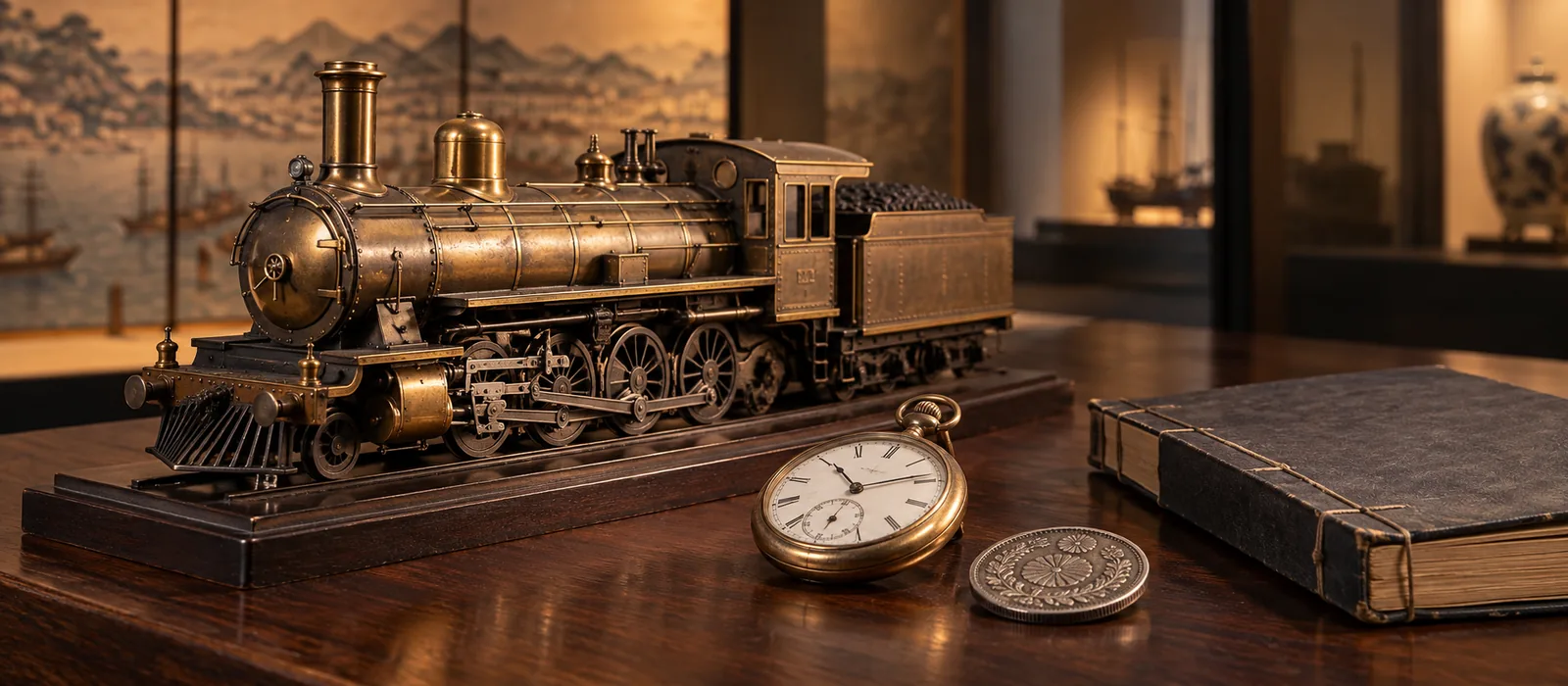
The Meiji Restoration: From the Black Ships to a Constitution, and Where Japan's Yen, Prefectures, and Railways Came From
Commodore Perry reached Uraga in 1853. In 1867 Tokugawa Yoshinobu announced the return of power at Nijo Castle, the era became Meiji in 1868, domains became prefectures and the yen was born in 1871, the Shimbashi-Yokohama railway opened in 1872, and a constitution followed in 1889. This is the Meiji Restoration in order, tied to places you can still visit: Nijo Castle, Goryokaku, the old Shimbashi Station, Tomioka Silk Mill, and Meiji Mura.
Culture
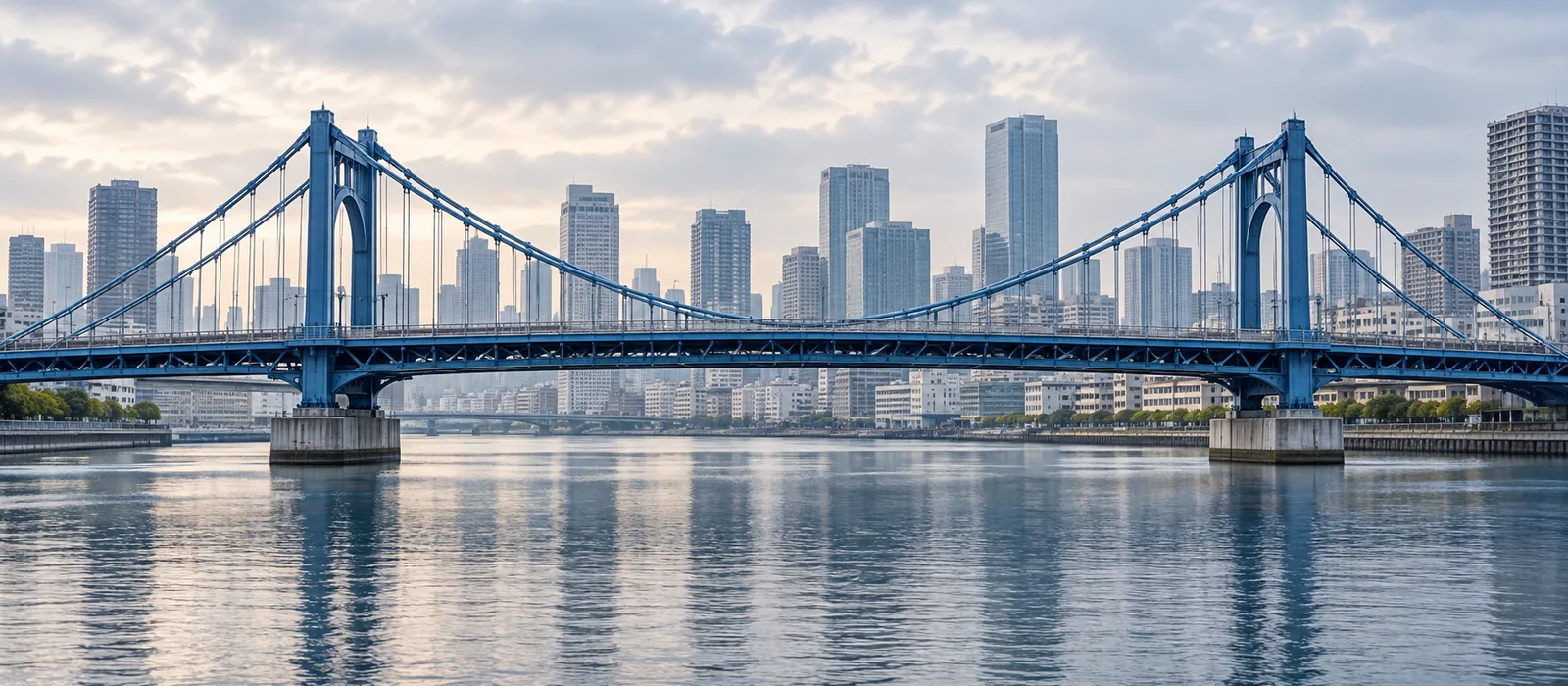
The 1923 Great Kanto Earthquake: Fire, Killings Fueled by Rumor, the Rebuilding of Tokyo, and Yokoamicho Park and the Sumida Bridges Today
At 11:58 on September 1, 1923, a magnitude 7.9 earthquake struck the Kanto region. About 105,000 people died, most in fires, including about 38,000 at the former Army Clothing Depot site in Honjo alone. Rumors after the quake led to the killing of Koreans and Chinese. The reconstruction of the capital produced Showa Street, the Eitai and Kiyosu bridges, new parks and schools, and September 1 became Disaster Prevention Day.
05War and postwar
SERIES
More series

Japan Summer Travel
Heat, sun, heatstroke, medical care, transport, and routes rebuilt around temperature.
13 articles →
Disasters and Typhoons
Alerts, when to evacuate, preparing your home for typhoons, insurance, and calling for help.
5 articles →
Traditional Japanese Culture
Belief, performing arts, crafts, and the Ainu and Ryukyuan cultures, each with where to see them today.
11 articles →
Japanese Lives
From the faces on banknotes to figures tied to China: their stories, and where to find them today.
2 articles →